





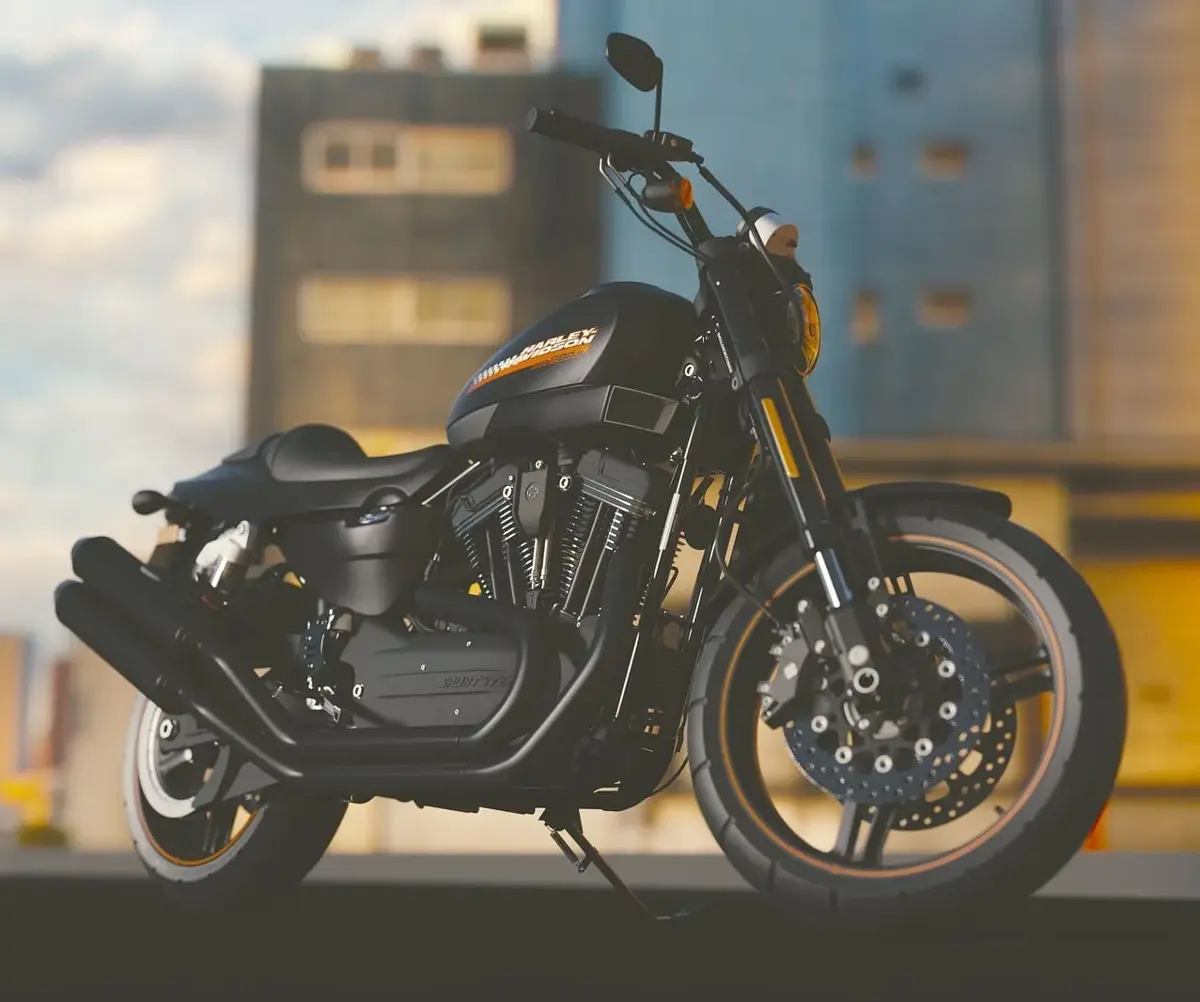
Shipping a motorcycle is one of the most common requests we handle at American Auto Shipping, and it's a process that looks very different from shipping a car. Motorcycles are lighter, smaller, and more vulnerable to damage during transport -- which means the securing methods, carrier types, and preparation steps all require specialized knowledge. Whether you're buying a bike from across the country, relocating and don't want to ride 2,000 miles, or sending a vintage Harley to a show, this guide covers every aspect of motorcycle shipping in 2026.
There are three main methods for shipping a motorcycle: open trailer, enclosed trailer, and crated shipping. Open trailer transport is the most common and most affordable option. Your motorcycle is loaded onto a multi-bike trailer (typically carrying 5-20 motorcycles) and secured in an upright position using wheel chocks and soft tie-down straps. Open trailers expose your bike to weather and road elements, just like open auto transport -- but for the vast majority of motorcycles, this is perfectly safe and adequate. About 75-80% of all motorcycle shipments go open. Enclosed trailer transport places your bike inside a fully enclosed trailer, protecting it from weather, road debris, and visibility. Enclosed is recommended for bikes valued over $20,000, vintage or classic motorcycles, show bikes, and custom builds with delicate paint or chrome. Enclosed motorcycle transport typically costs 30-50% more than open.
Crated shipping is the third option, and it's specialized. Your motorcycle is placed in a wooden crate or metal shipping container, fully padded and secured. Crating provides the highest level of protection and is primarily used for international shipping, extremely valuable bikes, or situations where the motorcycle needs to be combined with other freight. Crating adds $250-$500 to the transport cost and requires either professional crating at a freight facility or a kit you assemble yourself. It's overkill for domestic shipping in most cases, but it's the gold standard if you're shipping a $50,000 Ducati Panigale overseas.
What does motorcycle shipping cost in 2026? Open trailer transport: $300-$700 for cross-country (coast-to-coast). Regional moves under 500 miles: $200-$400. Mid-range routes (500-1,500 miles): $300-$500. These are for standard motorcycles -- cruisers, sport bikes, touring bikes, and standards. Enclosed transport adds 30-50%, putting cross-country at $400-$1,000. Crated shipping adds $250-$500 on top of the trailer cost. Factors that affect pricing: distance (obviously), motorcycle size and weight (a Gold Wing weighs twice what a Ninja 400 does), route demand, time of year, and whether the bike is running or non-running. Trike motorcycles and bikes with sidecars cost more because they take up more trailer space.
How motorcycles are secured during transport is one of the most important things to understand. Professional motorcycle carriers use a combination of wheel chocks, soft tie-down straps, and ratchet systems. The front wheel sits in a wheel chock -- a metal or rubber cradle that locks the front wheel in an upright position. Four to six soft tie-down straps connect from the frame, handlebars, or triple clamp to the trailer's tie-down points. The key word is 'soft' -- reputable carriers use soft straps or padded ratchet straps that won't scratch chrome, paint, or bodywork. Hard metal hooks or chains against your bike's finish are a red flag. Some carriers use a rail system where each bike is mounted to an individual track that can be adjusted for spacing. The bike should be compressed slightly on its suspension by the straps -- this loads the springs and prevents bouncing during transport.
Shipping a non-running motorcycle is absolutely possible, but it costs more and requires carriers with the right equipment. A running bike can be ridden onto the trailer -- quick, simple, no extra equipment needed. A non-running bike needs to be pushed, dollied, or lifted onto the trailer. Most motorcycle carriers have ramps and enough crew to push a non-running bike up the ramp, but particularly heavy bikes (touring motorcycles, large cruisers) may require a lift or dolly. Expect to pay $75-$150 more for a non-running motorcycle. When you request a quote, always disclose if your bike is non-running -- carriers need to plan for loading logistics and bring the right equipment.
Preparing your motorcycle for shipping takes about 20 minutes and makes a significant difference in the outcome. Start by cleaning the bike thoroughly -- just like with cars, a clean motorcycle makes existing damage visible for documentation. Photograph every angle: both sides, front, rear, tank, fenders, wheels, exhaust, and any chrome or painted surfaces. Get close-ups of any existing scratches, dents, or chips. Check the tire pressure -- properly inflated tires are essential for loading and securing the bike in wheel chocks. The battery should be charged and connected (the bike may need to be started briefly during loading). Check for and fix any fluid leaks -- a bike dripping oil on a shared trailer is a problem for every other motorcycle on that load.
Remove or secure accessories that could be damaged or come loose during transport. Saddlebags and tank bags should come off (or be emptied and secured). Remove any loose items from compartments. GPS units, phone mounts, and aftermarket electronics should be removed. Fold in mirrors if possible. Windscreens on touring bikes are fine to leave on but verify they're securely attached. Aftermarket exhaust tips or slip-ons that aren't permanently mounted should be removed. Custom or fragile mirrors should come off. Basically, if it sticks out beyond the bike's normal profile or could catch on a strap, remove it or secure it.
Insurance for motorcycle transport follows the same carrier insurance structure as auto transport. Carriers carry liability and cargo insurance, and your bike is covered from pickup to delivery. However, motorcycle-specific damage concerns are different from cars -- chrome scratching from hard straps, fairing cracks from improper loading, and handlebar damage from incorrect chocking are the most common issues. Verify that the carrier uses soft straps and proper wheel chocks. Ask about their motorcycle-specific experience and whether they carry cargo insurance that covers the full value of your bike. For high-value motorcycles (over $25,000), consider supplemental coverage. Document everything before and after shipping.
American Auto Shipping puts your shipment in front of verified motorcycle carriers who specialize in two-wheel transport. When you get your motorcycle estimate, the offers come from carriers who have purpose-built motorcycle trailers, proper securing equipment (wheel chocks, soft straps), experience handling your type of bike, and verified insurance. Whether you're shipping a $3,000 commuter bike or a $40,000 custom build, our licensed partners compete with their best offers and you choose the right carrier at a competitive price. Get your free motorcycle shipping estimate in 60 seconds -- provide your bike's details and compare offers from specialists.
Key Takeaways
- •How much does it cost to ship a motorcycle?
- •How are motorcycles secured during shipping?
- •Can I ship a non-running motorcycle?
Frequently Asked Questions
Motorcycle shipping costs range from $200-$400 for regional moves under 500 miles to $300-$700 for cross-country transport via open trailer. Enclosed transport adds 30-50% to these prices. Factors include distance, bike size and weight, route demand, and whether the motorcycle is running or non-running.
Motorcycles are secured using wheel chocks (front wheel cradles) and soft tie-down straps attached to the frame, handlebars, or triple clamp. The straps compress the suspension slightly to prevent bouncing. Reputable carriers use padded or soft straps to avoid scratching chrome and paint.
Yes. Non-running motorcycles can be shipped but cost $75-$150 more because they need to be pushed, dollied, or lifted onto the trailer. Always disclose that your bike is non-running when requesting a quote so the carrier can bring appropriate loading equipment.
Open transport is the standard for 75-80% of motorcycle shipments and costs $300-$700 cross-country. Choose enclosed (30-50% more) for bikes valued over $20,000, vintage or classic motorcycles, show bikes, and custom builds with delicate finishes. Open transport is safe and adequate for everyday motorcycles.
Related Resources
Ready to Ship Your Vehicle?
Get your free estimate in 60 seconds. American Auto Shipping has helped customers ship over 235,000+ vehicles since 1999.
Get a Free QuoteRelated Articles
How Much Does It Cost to Ship a Motorcycle? Open, Enclosed, and Crated Explained
Shipping a motorcycle isn't the same as shipping a car -- the method matters as much as the miles. Here's what open, enclosed, and crated transport actually cost, when each is worth it, and how to make sure your bike shows up the way it left.
Auto Transport Tips: Shipping a Motorcycle
Transporting a motorcycle is a lot different than transporting a regular car. We've talked about shipping a motorcycle before , but there's a few more differences that you should really be aware of when it comes to motorcycle transportation, and in this helpful blog post we're going to talk about so...
More Guides
How to Ship a Car: The Complete 2026 Guide
A step-by-step walkthrough of the entire car shipping process, from getting your first quote to taking delivery. Everything you need to know to ship a vehicle in 2026.
Car Shipping Costs: Everything You Need to Know in 2026
A detailed breakdown of car shipping pricing by distance, vehicle type, transport method, and season. Learn what actually drives costs and how to avoid bait-and-switch quotes.
Open vs Enclosed Auto Transport: Which Is Right for You?
A head-to-head comparison of open and enclosed auto transport with pros, cons, pricing differences, and practical advice on when to use each method.
How Long Does It Take to Ship a Car?
Transit times by distance, factors that affect timing, pickup windows, and expedited options. Realistic timelines based on 27 years of shipping data.