





Brokers vs Carriers vs Agents
There are three ways to book car shipping, and they are not the same thing. Here is what each one actually does with your shipment — and how to tell which one is quoting you.
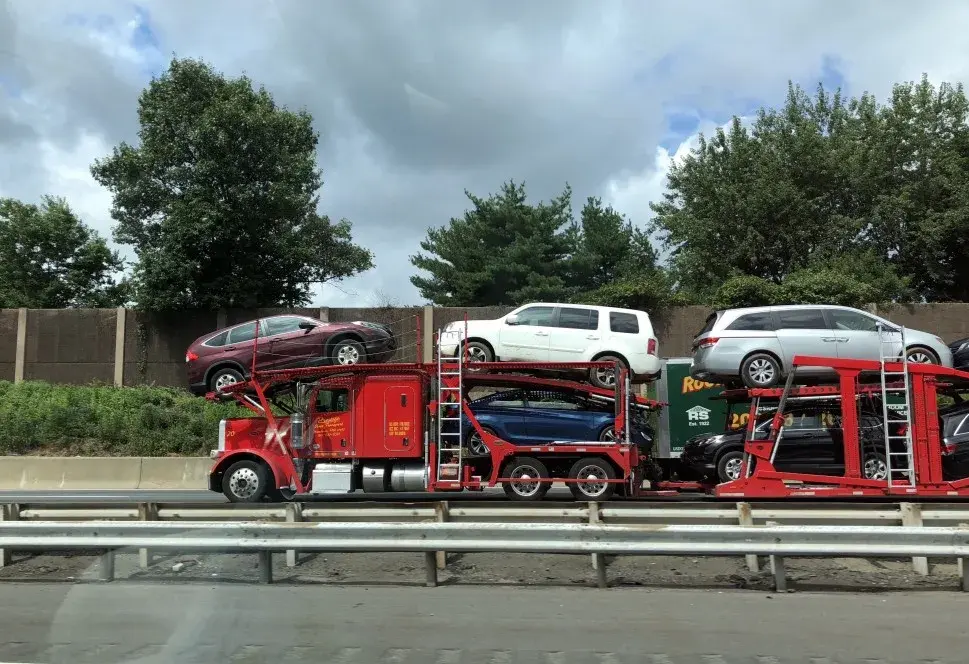
A carrier owns the trucks and moves your vehicle itself. A broker owns no trucks — it takes your booking and then picks and dispatches a carrier on your behalf. An agent for licensed carriers does not haul your car and does not choose for you: it puts your route in front of licensed auto transport companies, and shows you their offers so you decide. That is what American Auto Shipping is.
When you go looking for car transport and car shipping companies, the quotes coming back at you are not all from the same kind of business. A carrier does own its own trucks and sends one of them for your vehicle. A broker does not own trucks; it finds a trucking company to do the job and arranges the shipment for you. Both are legitimate, both are licensed by the FMCSA, and both have real trade-offs.
So which should you use? That depends on what you want control over. A single carrier is limited to wherever its fleet already runs, which is why availability on your dates can be hit or miss. A broker solves the reach problem but introduces a different one: the broker decides which carrier gets your vehicle, and the price you are quoted bundles the carrier's pay together with the broker's margin. You see one number and one option, and you are trusting someone else's judgment about who is good enough to haul your car.

The problem with booking one carrier direct
Booking a single carrier direct ties your shipment to one fleet's schedule. Car shipping is not an exact business — trucks run late, and occasionally a pickup gets cancelled. If the one carrier you booked drops the ball, you are starting over from scratch. That is the real risk of going direct, and it is why most people end up looking at the other two options instead.
Both a broker and an agent solve that reach problem, because both can put your route in front of many carriers rather than one. The difference is who does the choosing. A broker picks for you and comes back with a single number. An agent shows you the offers and lets you pick — which also means you are never obligated to book at all. You can look at what carriers are actually charging on your route, sit on it, and decide later.
One thing worth knowing regardless of which route you take: get the quote in writing and check what it includes. Some low quotes leave out insurance, terminal fees, or fuel surcharges and land as a bigger number later. A legitimate quote spells out what is covered before you commit.
How to tell which one is quoting you
Ask two questions and the answer becomes obvious. Do you own the truck that will carry my car? If yes, you are talking to a carrier. If no, ask the second one: do I choose the carrier, or do you? A broker chooses and dispatches on your behalf. An agent hands that decision to you.
You can also check the licensing yourself. Carriers hold FMCSA carrier authority with a DOT number, and brokers hold broker authority with an MC number — both are searchable at safer.fmcsa.dot.gov. An agent holds neither, because it neither hauls your vehicle nor arranges the shipment for you; the carrier you select is the licensed party doing the work.
Watch the service type too. A cheap quote is sometimes for terminal-to-terminal shipping, where your vehicle sits at a terminal waiting for enough cars heading your way — that can add weeks. Door-to-door is what most people actually want, so confirm which one you are being quoted before you compare prices at all.
And confirm insurance is in the number. Leaving cargo insurance out to make a quote look smaller is not a real saving, and every carrier hauling your vehicle is required to carry it. Whoever you book through, the written quote should say what is covered.
So what does American Auto Shipping do for YOU?
American Auto Shipping represents licensed auto transport companies. We put your shipment in front of the licensed auto transport companies we represent, they compete with their best offers, and you choose the one you book with. You deal directly with that company on price, contract, and payment.
Every partner is a licensed, FMCSA-registered company, listed with its USDOT and MC numbers on our partners page and in the footer of every page. Each one contacts you with its own offer; you compare and choose. Once you accept, your transport agreement is with that company directly.
Requesting offers is free and carries no obligation. Fill out the free online request form, see a transparent estimate for your route, and compare the partners' offers against anything else you have been quoted — that comparison is the whole point.
Brokers vs Carriers FAQ
A carrier owns trucks and physically transports vehicles. A broker does not own trucks — they hold FMCSA broker authority, take your booking, and then select and dispatch a carrier on your behalf. A single carrier is limited to wherever their fleet happens to be, while a broker can reach carriers nationwide.
Yes. A company that represents licensed carriers as their agent does not haul your car and does not book a carrier on your behalf. It puts your shipment in front of licensed auto transport companies it represents, they make their offers, and you compare prices, ratings, and timelines and choose. That is how American Auto Shipping works.
Check that the broker holds an active FMCSA license (search by MC number at safer.fmcsa.dot.gov), is registered with the Better Business Bureau, and has verifiable reviews on Google, Transport Reviews, or Consumer Affairs. Legitimate brokers will never ask for large upfront payments and will always provide a written quote.
Not necessarily, but you usually cannot see the split. A broker quote is one number covering the carrier's pay plus the broker's margin, and that margin is not shown to you. Carriers may quote lower initially and add terminal fees, insurance surcharges, or fuel adjustments later. Through an agent like us you see each company's own offer directly, so the comparison is between real prices rather than one bundled figure.