





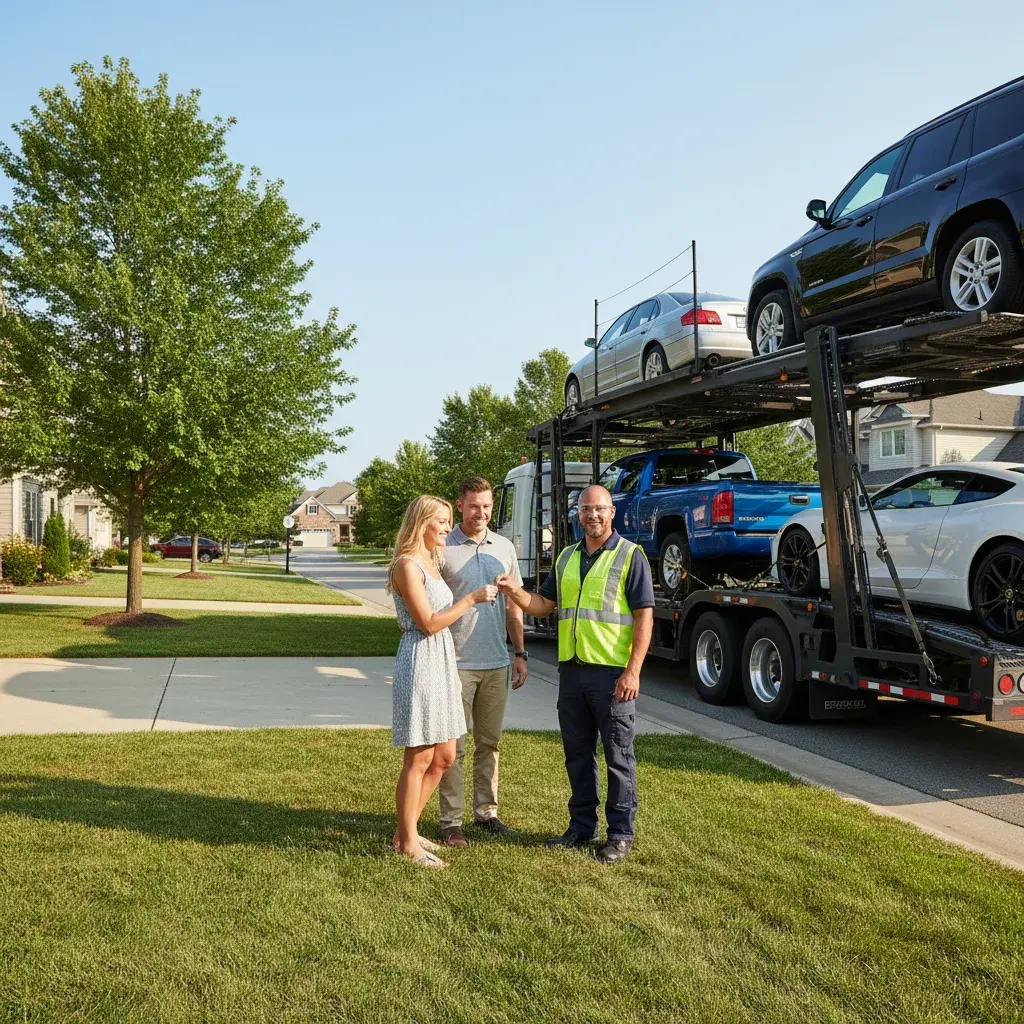
Shipping a car sounds complicated until you understand how the process actually works -- and then it's surprisingly straightforward. We've been doing this at American Auto Shipping since 1999, and we've helped customers ship over 235,000 vehicles in that time. The fundamentals haven't changed much, but the technology and transparency have improved dramatically. This guide walks you through every step of shipping a car in 2026 -- no jargon, no sales pitch, just the practical knowledge you need to make good decisions.
Step one is getting a quote -- and this is where a lot of people make their first mistake. They Google 'car shipping' and request quotes from ten different companies, then pick the cheapest one. Here's the problem: in auto transport, the cheapest quote is frequently not the best deal. Some companies use bait-and-switch pricing -- they quote you $600 to get you to book, then call back a week later saying the carrier needs $900 to actually pick up your vehicle. The estimate ranges on our pages come from a published formula; the binding price comes from the licensed company you choose. No surprises, no renegotiation. When you request a quote, you'll need your vehicle's year, make, and model, your pickup and delivery zip codes, your preferred transport type (open or enclosed), and your approximate dates. The quote factors in distance, vehicle size, route demand, seasonal patterns, and current carrier availability.
Step two is choosing between a broker and a carrier -- and understanding what each one does. With American Auto Shipping, licensed companies compete for your shipment with their best offers and you choose. A broker coordinates the shipment by connecting you with a carrier from a network of vetted transport companies. A carrier is the company that actually owns the truck and hauls your vehicle. About 85% of all auto shipments in the U.S. go through brokers, and there's a good reason for that. Brokers have access to thousands of carriers across every route, so they can find competitive pricing and faster pickup times. A single carrier only runs specific routes and may not have availability when you need it. The key is working with a licensed, reputable broker -- check for an active FMCSA license (MC number), a physical business address, and real customer reviews.
Step three is selecting your transport type. Open transport is the standard -- it's what you see on every highway, those multi-level car haulers carrying 7-9 vehicles. About 90% of all vehicles are shipped open. It's the most affordable option and perfectly safe for everyday vehicles. Your car is exposed to weather and road dust, but it's the same exposure every car on every dealership lot gets. Enclosed transport uses a fully enclosed trailer that protects your vehicle from weather, road debris, and prying eyes. It typically costs 40-60% more than open transport and is recommended for vehicles valued over $75,000, classic cars, exotics, and show cars. Flatbed transport is also available for oversized vehicles, lifted trucks, and heavy equipment.
Step four is scheduling pickup. Once you get your free estimate, your shipment goes in front of licensed auto transport companies who are already routed through your area -- this means faster pickup times and more competitive pricing because the carrier doesn't have to deadhead (drive empty) to reach you. Standard pickup windows are 1-5 business days from your requested date. The more flexible you are with dates, the better pricing you'll typically get. Expedited service is available if you need pickup within 24-48 hours, though it comes at a premium. The carrier will call you 12-24 hours before arrival to confirm timing and logistics.
Step five is the pre-pickup inspection. When the carrier arrives, the driver will walk around your vehicle and complete a condition report on the Bill of Lading (BOL). This document notes every existing scratch, dent, ding, and imperfection on a vehicle diagram. Both you and the driver sign it. This is critically important -- it's your baseline documentation. Before the driver arrives, take your own photos of every panel, the roof, wheels, bumpers, and interior. Time-stamp them. Email them to yourself so you have a verifiable record. Don't rush this process, and don't let anyone pressure you to skip it.
Step six is transit. Your vehicle is secured on the carrier using professional-grade ratchet straps attached to the frame or tie-down points. Wheel nets cradle each tire, and chocks prevent rolling. The driver then hits the road, following federally mandated Hours of Service regulations -- a maximum of 11 hours of driving after 10 consecutive hours off duty. Cross-country shipments typically cover 400-500 miles per day. The driver is managing multiple pickups and deliveries along the route, so your vehicle may share space with 6-8 others heading in the same general direction. You'll receive updates during transit so you know where your vehicle is.
Step seven is delivery. The carrier will contact you 12-24 hours before arrival to coordinate. At delivery, you'll perform a second inspection -- compare the vehicle's current condition to what was documented on the BOL at pickup. Walk around the entire vehicle, check every panel, open the doors, inspect the interior. If everything matches the original documentation, sign the delivery portion of the BOL and you're done. If you notice any new damage, note it on the BOL before signing, photograph it immediately, and file the claim directly with the company you booked -- their cargo insurance covers transit damage. Don't sign a clean BOL if there's damage -- that signature matters.
Step eight is payment. Most carriers in the auto transport industry operate on a cash-on-delivery basis -- you pay the carrier directly at delivery. Some brokers collect a deposit at booking and the remaining balance goes to the carrier at delivery. Our estimates are transparent, and the licensed company you choose gives you its binding price in writing. You know exactly what you're paying before you book, and there are no surprise fees or surcharges. Payment methods typically include cashier's check, money order, or cash at delivery. Some carriers now accept credit cards, though a convenience fee may apply.
Here's something most guides won't tell you: timing matters more than most people realize. Auto transport pricing is heavily influenced by supply and demand -- the same basic economics that drive every market. Summer (June through August) is peak season. Snowbird season (October/November heading south, March/April heading north) creates predictable demand spikes on specific corridors. January is typically the cheapest month to ship. If you have flexibility on your dates, you can save significantly by shipping during lower-demand periods. Our estimate formula factors the season and this week's diesel price into every range, and the licensed companies making offers price the current market on top of that.
The total cost to ship a car in 2026 depends on four main factors: distance, vehicle size, transport type, and timing. As a general baseline: a standard sedan shipped open transport on a 1,000-mile route runs $700-$1,000. Cross-country (2,500+ miles) runs $1,000-$1,500. Short regional moves under 500 miles run $400-$700. Enclosed transport adds 40-60% to these numbers. Oversized vehicles (large SUVs, trucks, vans) typically cost 10-20% more than standard sedans. These are broad ranges -- your actual quote will be specific to your route, vehicle, and timing.
At American Auto Shipping, we've refined this process over 27 years. We put your shipment in front of licensed auto transport companies vetted for operating authority, safety records, and insurance coverage; they compete with their best offers, and you choose and book directly with the company. Every carrier is verified. The company you book with handles pickup, delivery and updates. We've helped customers ship over 235,000 vehicles and we're not going anywhere. Get your free estimate -- it takes 60 seconds and there's no obligation.
Key Takeaways
- •How much does it cost to ship a car?
- •How long does it take to ship a car?
- •Is my car insured during transport?
Frequently Asked Questions
Car shipping costs typically range from $400-$700 for regional moves under 500 miles, $700-$1,000 for 1,000-mile routes, and $1,000-$1,500 for cross-country transport. Enclosed transport adds 40-60% to these baseline prices. Factors like vehicle size, season, and route demand also affect pricing.
Transit times depend on distance. Regional moves (under 500 miles) take 1-3 days. Mid-range routes (500-1,500 miles) take 3-5 days. Cross-country shipments (2,500+ miles) take 7-10 days. Pickup windows are typically 1-5 business days from your requested date.
Yes. All licensed carriers are required by federal law to carry a minimum of $750,000 in liability insurance. Most carriers also carry cargo insurance that covers vehicle damage during transport. We verify insurance coverage for every company we work with before its offers reach you.
Technically, most carriers allow up to 100 lbs of personal items in the trunk, but they are not covered by carrier insurance. We strongly recommend removing all personal belongings before shipping. Carriers are licensed to transport vehicles, not household goods.
Related Resources
Ready to Ship Your Vehicle?
Get your free estimate in 60 seconds. American Auto Shipping has helped customers ship over 235,000+ vehicles since 1999.
Get a Free QuoteMore Guides
Car Shipping Costs: Everything You Need to Know in 2026
A detailed breakdown of car shipping pricing by distance, vehicle type, transport method, and season. Learn what actually drives costs and how to avoid bait-and-switch quotes.
Open vs Enclosed Auto Transport: Which Is Right for You?
A head-to-head comparison of open and enclosed auto transport with pros, cons, pricing differences, and practical advice on when to use each method.
How Long Does It Take to Ship a Car?
Transit times by distance, factors that affect timing, pickup windows, and expedited options. Realistic timelines based on 27 years of shipping data.
First-Time Car Shipping: A Beginner's Guide
Everything a first-time vehicle shipper needs to know. Common mistakes to avoid, what questions to ask, red flags to watch for, and how to prepare.