





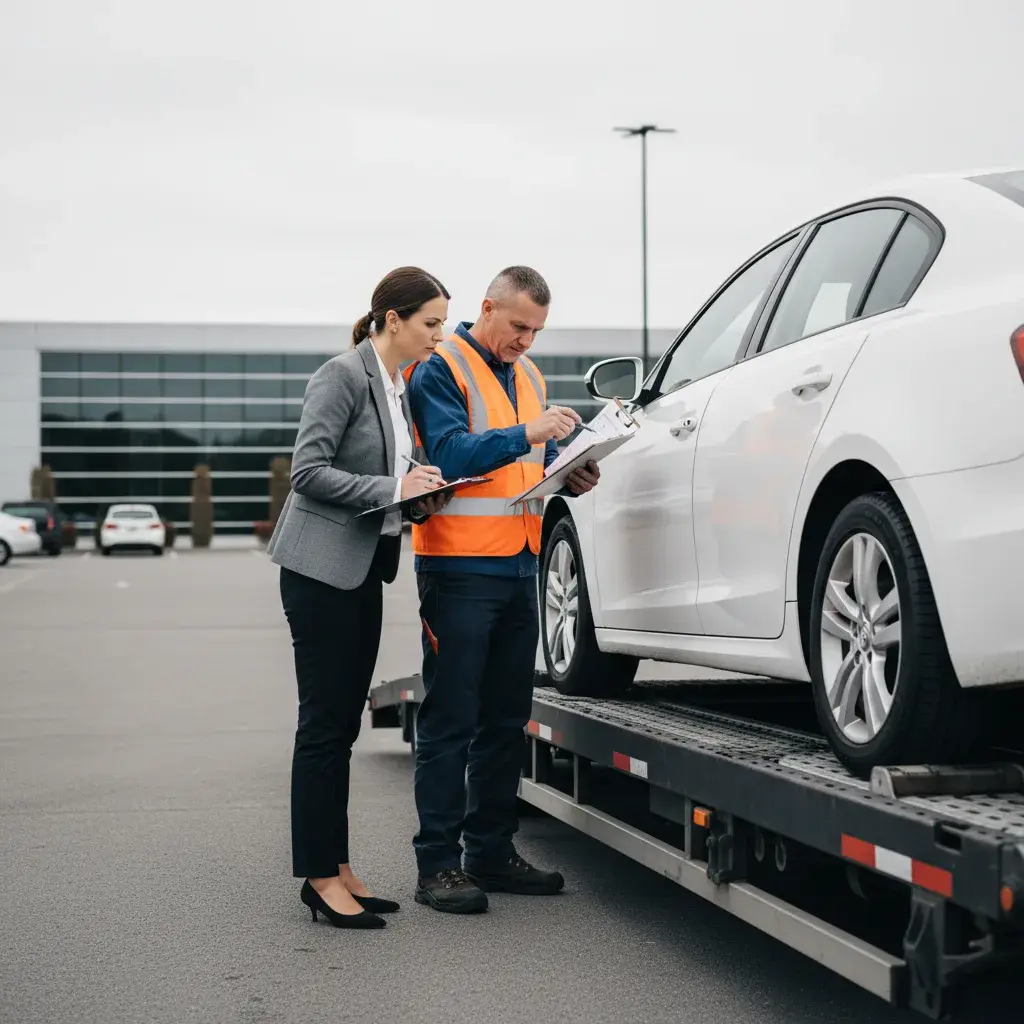
Insurance is one of the most misunderstood aspects of auto transport, and it's one of the most important. Every customer wants to know: is my vehicle insured during shipping? The answer is yes -- but the details matter a lot more than the simple yes or no. We've helped with thousands of shipments at American Auto Shipping over the past 27 years, and we've seen how proper insurance understanding protects customers and how misunderstanding it creates problems. This guide covers everything you need to know about car shipping insurance in 2026.
Every licensed auto transport carrier in the United States is required by federal law to carry liability insurance. The FMCSA (Federal Motor Carrier Safety Administration) mandates a minimum of $750,000 in liability coverage. This isn't optional -- it's a legal requirement for maintaining an active operating authority. If a carrier doesn't have insurance, they don't have a license. Period. When we vet the companies we work with, insurance verification is one of the first checks we perform. We confirm not just that insurance exists, but that it's current, adequate, and from a reputable insurer.
Liability insurance covers damage caused by the carrier's negligence -- things like a vehicle falling off the trailer, damage during loading or unloading, a carrier accident, or improper securing that causes your vehicle to shift and sustain damage. Most carriers also carry cargo insurance, which specifically covers the vehicles in their care. Cargo insurance is what pays for a new bumper if a strap mark damages your paint, or a windshield repair if road debris chips the glass. The typical cargo insurance coverage for auto transport carriers ranges from $100,000 to $1,000,000 per occurrence, with individual vehicle limits that vary by carrier.
What's covered? Damage that occurs while your vehicle is in the carrier's custody -- from the moment of pickup to the moment of delivery. This includes damage during loading, transit, and unloading. Physical damage like dents, scratches, paint chips, cracked glass, and structural damage are all covered if they occurred during transport. Mechanical damage caused by improper handling (e.g., a carrier driver grinding your gears or damaging the clutch) is also covered, though it's extremely rare with professional carriers.
What's not covered? Personal belongings inside the vehicle. This is a big one. Carriers are licensed to transport vehicles, not household goods. If you leave a laptop, golf clubs, or boxes of personal items in your car, those items are not covered by the carrier's insurance. We cannot stress this enough: remove all personal belongings before shipping. Some carriers allow up to 100 lbs of items in the trunk, but even then, those items are not insured. Weather-related cosmetic issues on open transport (dust, water spots, pollen) are also not covered -- that's normal exposure, not damage. Pre-existing damage that was documented on the Bill of Lading at pickup is obviously not covered. And modifications or aftermarket accessories that weren't disclosed before shipping may not be covered if they contribute to or sustain damage.
The Bill of Lading is the cornerstone of insurance claims. When the carrier arrives for pickup, the driver inspects your vehicle and documents its condition on the BOL -- every scratch, dent, ding, and imperfection. Both you and the driver sign it. At delivery, the same process happens. If new damage is present that wasn't on the original BOL, it's documented on the delivery report. This paper trail is what establishes that damage occurred during transport. Without a thorough, accurate BOL at pickup, proving that damage is transport-related becomes extremely difficult. This is why we tell every customer: take your own photos before pickup. Document everything. Don't rush the inspection.
If your vehicle is damaged during transport, here's the claims process. First, note the damage on the delivery BOL before signing. Do not sign a clean delivery BOL if there's damage. Take photos of the damage immediately. File the claim directly with the company you booked within 24 hours -- time is important for claims, and their cargo insurance is what covers transit damage. You'll typically need to provide the pickup and delivery BOL documents, your pre-shipping photos, post-delivery photos of the damage, and a repair estimate from a qualified body shop. Most claims are resolved within 30-90 days, depending on the insurer and the complexity of the damage.
For high-value vehicles, you may want additional insurance beyond the carrier's standard coverage. If your vehicle is worth more than the carrier's per-vehicle cargo insurance limit, there could be a gap. For example, if the carrier's cargo policy covers $150,000 per vehicle and you're shipping a $300,000 Ferrari, you'd want supplemental coverage for the difference. Additional coverage is available through third-party providers. Your personal auto insurance policy may also provide coverage during transport -- contact your insurance agent to check. Some credit card companies also offer supplemental vehicle coverage for transport if you pay for the service with their card.
Here are some practical insurance tips from 27 years of experience. Always verify the carrier's insurance before your vehicle is loaded. Ask for the carrier's Certificate of Insurance (COI) -- a legitimate carrier will have no problem providing this. Check that the policy is current, not expired. Confirm the per-vehicle and per-occurrence limits. If you're using a broker, ask the broker to verify the carrier's insurance on your behalf (you can check every partner we are a disclosed agent for on the FMCSA site). Take thorough photos before shipping -- we recommend 20-30 photos covering every panel, bumper, wheel, the roof, and interior. Store them in the cloud or email them to yourself so they're timestamped and backed up.
One more thing: don't confuse broker liability with carrier insurance. A broker facilitates the shipment and connects you with a carrier, but the broker doesn't physically transport your vehicle. The carrier's insurance -- not the broker's -- covers damage during transport. A reputable broker vets the carrier's insurance before your vehicle is loaded. But the insurance claim is between you and the carrier's insurance company, and you file it directly with the company you booked. Any broker claiming they'll 'personally cover' any damage should be viewed with skepticism -- what matters is the carrier's actual insurance policy.
Insurance in auto transport exists to protect you, and the vast majority of shipments are completed without any damage at all. In our experience, genuine transport damage occurs on fewer than 2% of shipments, and most of those cases are minor -- a small scratch, a strap mark, a stone chip. Catastrophic damage is exceptionally rare. The system works when everyone does their part: carriers maintain proper insurance, drivers conduct thorough inspections, and customers document their vehicle's condition independently. Take the time to understand your coverage, do your documentation, and work with a company that verifies carrier insurance as standard practice.
Key Takeaways
- •Is my car insured during auto transport?
- •What should I do if my car is damaged during shipping?
- •Are personal items inside the car covered by shipping insurance?
Frequently Asked Questions
Yes. Every licensed auto transport carrier is required by federal law to carry a minimum of $750,000 in liability insurance. Most carriers also carry cargo insurance covering $100,000-$1,000,000 per occurrence. Coverage applies from pickup to delivery.
Note the damage on the delivery Bill of Lading before signing. Photograph the damage immediately. Contact your shipping company within 24 hours. You will need the pickup and delivery BOL, pre-shipping photos, damage photos, and a repair estimate to file a claim.
No. Carrier insurance covers the vehicle only. Personal belongings left inside the car are not covered. We strongly recommend removing all personal items before shipping. Some carriers allow up to 100 lbs in the trunk, but even then, those items are uninsured.
Possibly. If your vehicle value exceeds the carrier's per-vehicle cargo insurance limit, you should arrange supplemental coverage. Check your personal auto insurance policy and consider third-party transport insurance for vehicles worth over $100,000.
Related Resources
Ready to Ship Your Vehicle?
Get your free estimate in 60 seconds. American Auto Shipping has helped customers ship over 235,000+ vehicles since 1999.
Get a Free QuoteRelated Articles
Auto Shipping FAQ: Do I Need to Have Personal Insurance?
One of the best things about shipping a vehicle is that it's pretty lax in terms of what you actually need to have on-hand when you ship it. Things like registration and insurance aren't as important as whether or not the car runs or if it'll fit on the truck - this is because car shippers haul cars...
Auto Shipping FAQ: How Does Auto Transport Insurance Work?
Auto transportation is an expensive process which requires a lot of faith, really, on your part. You have to have faith that the auto transport broker will find you a reputable and legitimate auto transport carrier, and you're also putting faith in that carrier that they'll take good care of your ve...
Auto Shipping Glossary: Auto Transport Insurance
Damage to vehicles that are being transported by an auto transport company are rare - in fact, less than 5% of all vehicles transported are damaged in some way, and with hundreds of thousands of cars going across the country it's a pretty small number all things considered. But insurance is an impor...
More Guides
How to Ship a Car: The Complete 2026 Guide
A step-by-step walkthrough of the entire car shipping process, from getting your first quote to taking delivery. Everything you need to know to ship a vehicle in 2026.
Car Shipping Costs: Everything You Need to Know in 2026
A detailed breakdown of car shipping pricing by distance, vehicle type, transport method, and season. Learn what actually drives costs and how to avoid bait-and-switch quotes.
Open vs Enclosed Auto Transport: Which Is Right for You?
A head-to-head comparison of open and enclosed auto transport with pros, cons, pricing differences, and practical advice on when to use each method.
How Long Does It Take to Ship a Car?
Transit times by distance, factors that affect timing, pickup windows, and expedited options. Realistic timelines based on 27 years of shipping data.