





The short answer
Car haulers build routes along major interstates between big metro areas, filling their trailers with as many cars as possible headed the same way. They choose loads by where the truck is, which cars along the path pay best for the miles, federal hours-of-service limits and the weather. Cars on those main lanes, priced fairly, move fastest.
★ Key Takeaways
- ✓Open car haulers carry several vehicles at once, so drivers favor loads that keep every spot full for the most miles.
- ✓Main lanes like I-5, I-10, I-40, I-80, I-90 and I-95 have the most loads and the most trucks.
- ✓Drivers pick the cars along their path that pay best for the miles, so fair prices and flexible dates get picked up first.
- ✓Federal hours-of-service limits make long detours costly, which is why rural pickups cost more and take longer.
Ever wonder why your car doesn't just go straight from your driveway to your new address? Car haulers don't work like a taxi. They work more like a bus route - and once you understand how a driver builds that route, a lot about your price and timing makes sense.
It starts with the truck. A typical open car hauler carries several vehicles at once, and the driver earns by keeping as many spots full as possible for as many miles as possible. An empty spot is lost money, and so is a long detour for a single car.
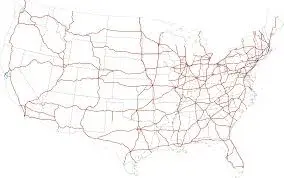
So carriers live on the main lanes: the big interstates connecting major metro areas, like I-5 up the West Coast, I-10 and I-40 across the south, I-80 and I-90 across the north, and I-95 down the East Coast. That's where the most cars are waiting to move, so that's where a driver can fill a truck quickly.
Then they choose loads. Shipments are posted where carriers can see the pickup, the delivery, the dates, the vehicle and the price. A driver looks at where the truck is now, where it's headed, and which cars along that path pay best for the miles. Cars on the way, priced fairly, with flexible dates, get picked up first.
Ready to ship? Get a real price in 60 seconds.
We put your shipment in front of licensed auto transport companies running your route this week, and they send you their best offers — no obligation, no spam.
Get My Free Quote →Hours matter, too. Federal hours-of-service rules limit how long a truck driver can drive and how long a workday can run before a required rest. A route that strings together pickups an hour apart beats one with a three-hour side trip - which is why rural pickups usually cost more and take longer.
And the plan keeps changing. Weather closes a pass, a customer isn't ready, a better load turns up a city away. Drivers rearrange on the fly, which is why you get a pickup window rather than an appointment.
What this means for you: ship between bigger cities when you can, keep your dates flexible, describe your car accurately, and price it fairly for the route. Those four things make your car an easy yes for a driver planning tomorrow's run.
Want to see what your route typically runs? Get your free estimate online, then compare offers from licensed auto transport companies and choose the one you book with - you never pay us a cent. Questions? Call us any time at 800-930-7417.
Frequently asked questions
Why doesn't a car carrier drive straight to my address?+
A car hauler carries several vehicles and picks up and drops off along one route, so your car travels with others headed the same way.
How do car carriers decide which cars to pick up?+
They look at where the truck is and where it's going, then choose the cars along that path that pay best for the miles, with dates that fit.
Why do rural pickups take longer?+
They pull a driver off the main interstate for one car, using fuel and limited driving hours, so carriers take them less readily and price them higher.
How can I get my car picked up faster?+
Ship between bigger cities when you can, keep your dates flexible, describe the car accurately and price it fairly for the route.
About the Author
Dave Armstrong · Updated by American Auto Shipping
Dave Armstrong is one of American Auto Shipping's longest-tenured team members. As content manager and strategist, most of what you read on this website came from him. He has extensive knowledge of the auto transport industry, having spent time in every role the business has to offer.